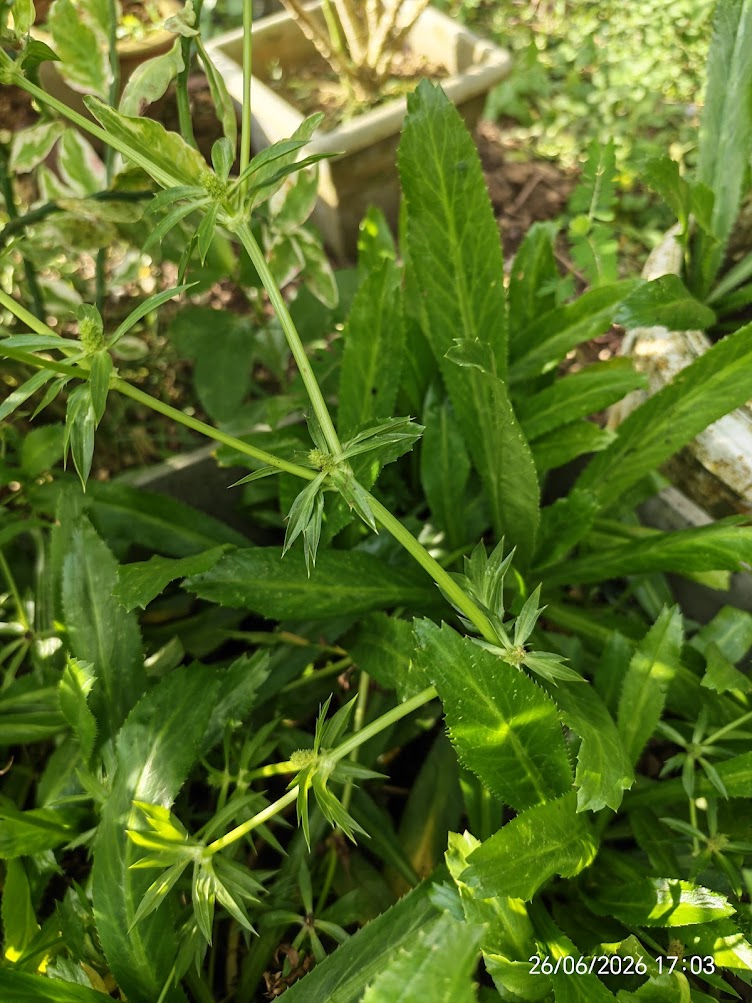
There is a humble herb growing quietly in backyards and jungle edges across Sarawak that carries enormous flavour and deep cultural meaning. Known scientifically as Eryngium foetidum, and called Daun Sepongu by the Bidayuh Jagoi people, this plant is better known in many parts of the world as culantro. Do not mistake it for cilantro — this is something altogether bolder, more fragrant, and deeply rooted in Borneo’s culinary and healing traditions.
What Is Culantro (Daun Sepongu)?
Culantro is a tropical herb with long, serrated leaves and a pungent, distinctive aroma. While it shares a family connection with coriander, its flavour is far more intense. A little goes a long way.
In Sarawak, it grows easily in the local climate — it thrives in humid, shaded spots and asks for very little attention. This ease of cultivation is one reason why, for generations, Bidayuh and many Dayak families kept it growing close to home. For many households, Daun Sepongu was once considered almost a must-have herb around the house.
Why Daun Sepongu Belongs in the Kitchen
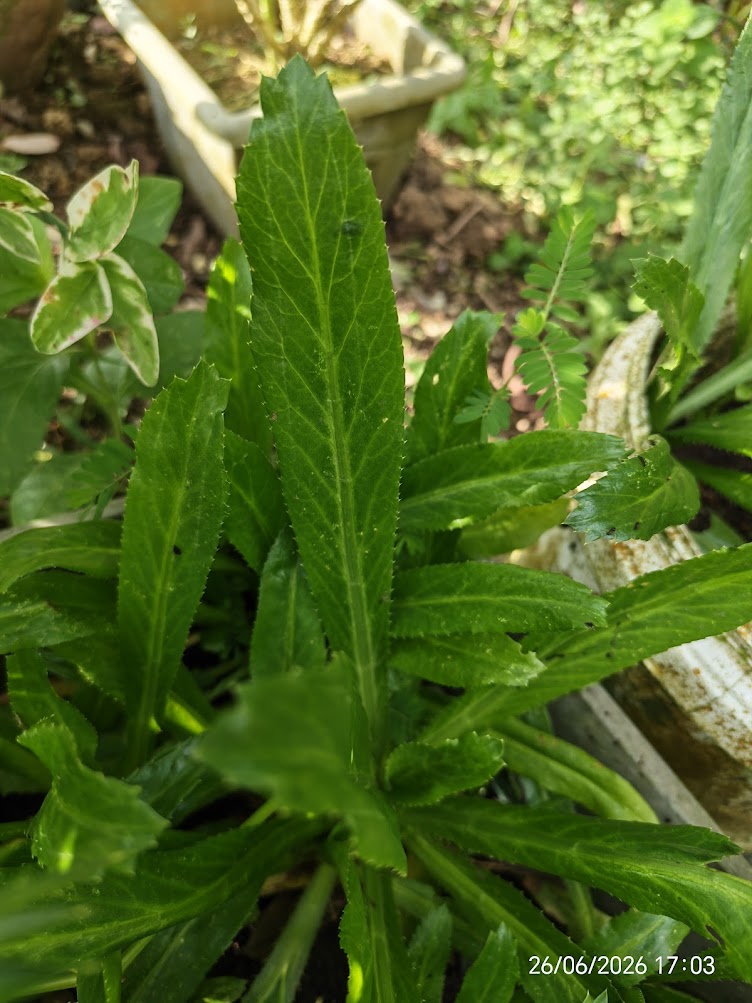
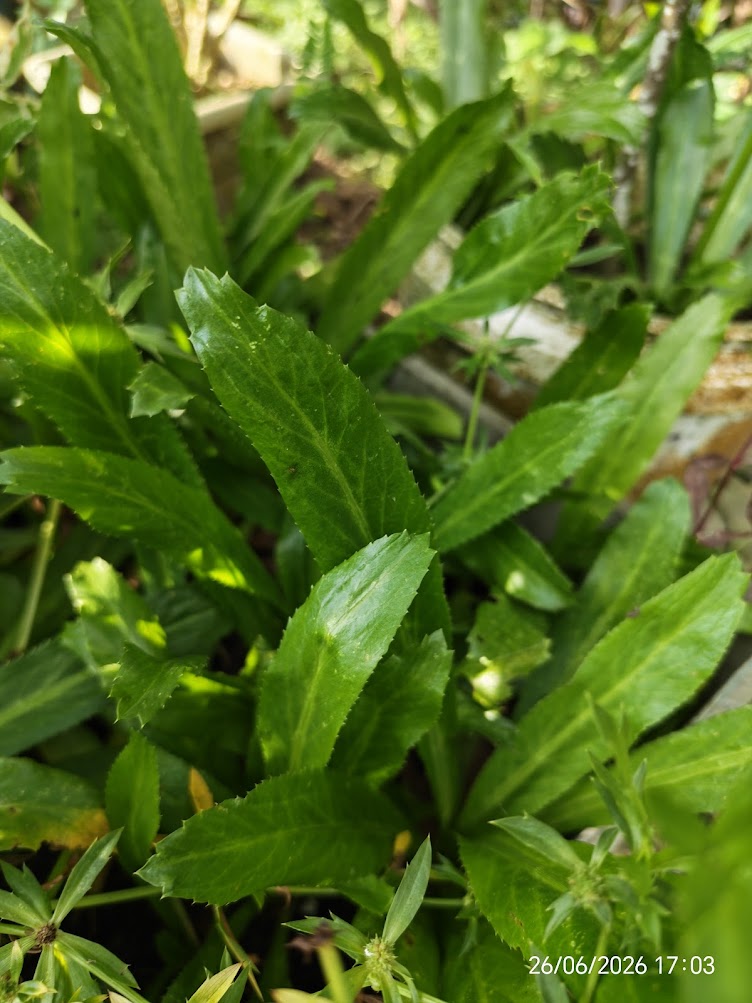
The magic of culantro truly comes alive when it meets a bubbling pot of soup. Its leaves release a deep, herbal fragrance that transforms simple broths into something warming and memorable.
The Soups It Loves Most
Daun Sepongu is especially popular in:
- 🐟 River catfish soups — particularly with ikan baung (river catfish) and keli sungai (local catfish). The herb cuts through the natural earthiness of freshwater fish beautifully.
- 🐔 Kampung chicken soup (sup ayam kampung) — the free-range chicken’s rich broth pairs perfectly with the herb’s bold fragrance.
- 🥣 Herbal soups — often combined with other jungle herbs and roots for deeply nourishing, restorative broths.
- 🍜 Noodle soups and porridge — a handful of chopped Daun Sepongu stirred into a warm bowl of congee or noodle soup adds layers of flavour and aroma.
There is something deeply comforting about a bowl of soup made with this herb. It tastes like home, like the kind of meal a grandmother would prepare when the rain is falling outside and everyone needs warming up from the inside.
A Place in Traditional Medicine
Beyond the kitchen, culantro has long held a respected place in traditional medicine across many Southeast Asian cultures, including among the Dayak communities of Sarawak.
Many people believe Daun Sepongu may help with:
- Stimulating appetite — particularly useful when someone is unwell and has lost interest in eating
- Relieving colds and congestion — the herb’s pungent oils are thought to help clear the airways
- Aiding digestion — traditionally used to settle an uneasy stomach
- Reducing fever — a belief shared across many communities in the tropics
- Providing antioxidants — modern interest in the plant has begun to support some of these traditional claims
It is worth noting that while these are widely held traditional beliefs, consulting a healthcare professional for serious health concerns is always advisable. That said, the generations of trust placed in this small herb speak for themselves.
Easy to Grow, Easy to Love
One of the greatest things about Daun Sepongu is how uncomplicated it is to cultivate. It grows readily in Sarawak’s warm, humid environment. Plant it in a shaded or semi-shaded corner of your garden, water it regularly, and it will reward you generously.
For families who love cooking fresh, fragrant soups, having a patch of culantro growing nearby means flavour is always just a few steps away.
Keeping the Tradition Alive
As modern cooking habits shift and global ingredients fill supermarket shelves, herbs like Daun Sepongu deserve to be celebrated and remembered. They represent not just flavour, but identity, memory, and generations of wisdom — the kind found in kampung kitchens and family recipes passed down without ever being written.
Whether you know it as culantro, Eryngium foetidum, or Daun Sepongu, this remarkable herb is well worth growing, cooking with, and sharing. Start with a pot of catfish soup on a rainy afternoon. You will understand immediately what all the fuss is about.
The post above is written with the aid of A.I.