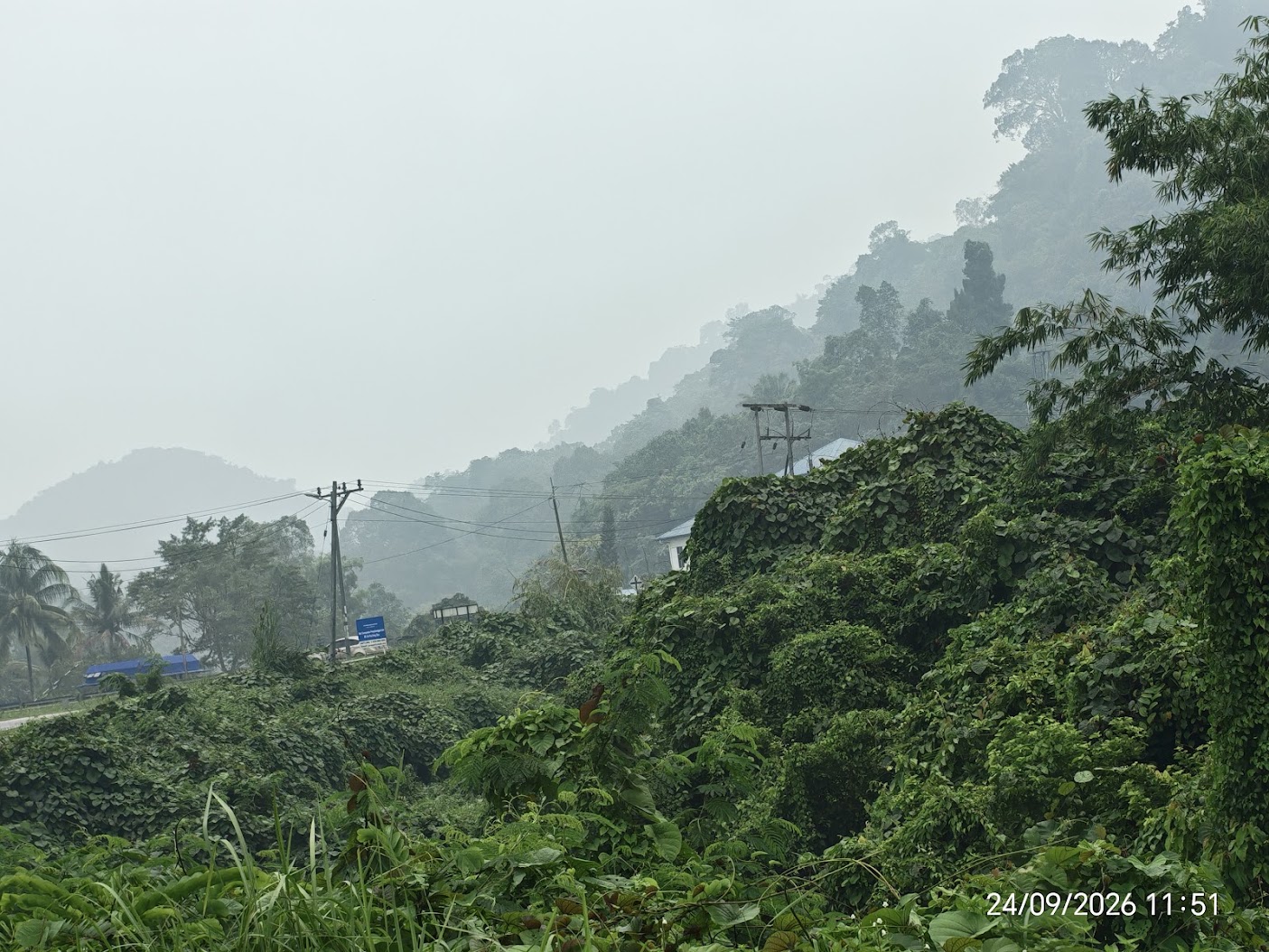
The Haze From Kalimantan Just Won’t Quit — And Honestly, I’m Tired
You know that smell? That thick, slightly sweet, burning-wood smell that sneaks into your house even when all the windows are shut? Yeah. That one. It’s been my morning alarm clock for weeks now. I wake up, walk to the kitchen, and there it is — the smoke from Kalimantan, hanging over Sarawak like an unwanted guest who refuses to read the room.
I keep calling it smoke, not haze. Because let’s be real — “haze” makes it sound polite. Like a soft mist over the hills. What we’re breathing is straight-up smoke. From fires. Burning peat. Hundreds of kilometres away. And it’s still going.
When It All Started
The first wave crept in early August 2026. I remember checking the sky around August 1st or 2nd and thinking, “Hmm, the sunset looks a little too orange today.” That was the beginning. Satellite images picked up small hotspot clusters over West Kalimantan, and the wind — that quiet southern wind — did the rest. It carried the smoke north, straight into the western edges of Sarawak.
Places like Serian and Sri Aman were the first to feel it. Air quality slid from moderate into unhealthy within the first two weeks of August. People started coughing at the kopitiam. Aunties began pulling out their old N95 masks from the pandemic days. Kids came home from school with red eyes.
At that point, most of us thought, “Ah, it’ll pass. It always does.” We were wrong.
The Second Wave Hit Like a Truck
Mid-August is when things really turned ugly. Hotspot counts in Kalimantan didn’t just increase — they surged. And when I say surged, I mean the satellite maps looked like someone spilled red paint across Borneo.
Between August 21 and 29, dense smoke plumes rolled in with the southern prevailing winds. Not a drift. A wall. A thick, grey, choking wall of smoke that blanketed:
- Kuching
- Serian
- Lundu
- Sri Aman
- Samarahan
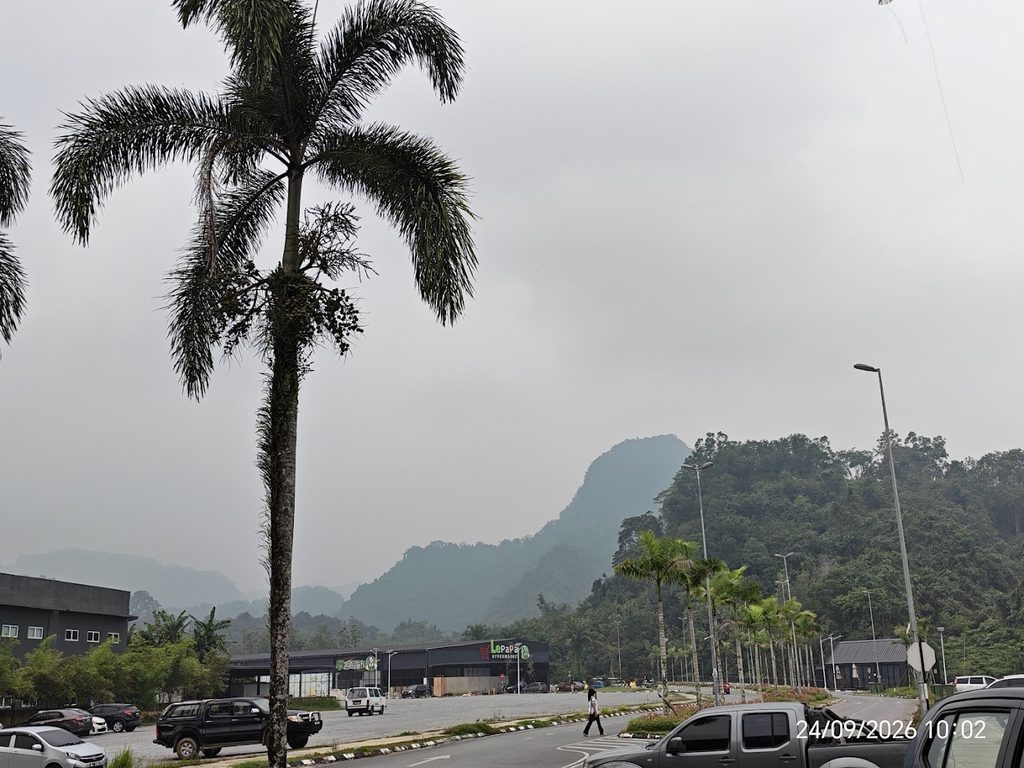
The Air Pollutant Index (API) readings shot into the “Unhealthy” and even “Very Unhealthy” categories. Some mornings you couldn’t see the hills that are normally right there, in your face, greeting you every day. Just… gone. Swallowed.
The ASEAN Alert
On August 26, the ASEAN Specialised Meteorological Centre (ASMC) formally raised its haze alert to Level 3. That’s not a small thing. Level 3 means the situation is serious enough for regional coordination — meaning countries are watching, warnings are being issued, and things could get worse before they get better.
Dry conditions, southern winds, and unchecked peat fires — a perfect storm of the worst kind.
Why the Fires Just Won’t Die
Here’s the frustrating part. Malaysia sent aircraft. Indonesia deployed water-bombing operations. Helicopters buzzed over the fire zones dropping thousands of litres of water. You’d think, with all that firepower (or rather, water-power), the fires would be out by now.
But no.
The fires from underneath the peat soil are notoriously difficult to put out. And this is something a lot of people don’t quite understand, so let me break it down.
Peat Fires: The Underground Menace
Peat is basically layers and layers of partially decomposed plant material that has built up over thousands of years in swampy areas. When it’s wet — which is its natural state — it’s fine. It stores carbon. It supports ecosystems. It’s the ground beneath the forests.
But when it dries out (thanks to drainage for agriculture, deforestation, and El Niño-style dry seasons), it becomes basically… fuel. Really flammable, slow-burning fuel.
Here’s why peat fires are so stubborn:
- They burn underground. You can put out the flames on the surface, but the fire keeps smouldering below, sometimes metres deep.
- Water runs off the top. Peat, when dry, becomes hydrophobic — it repels water. So water bombing helps the surface, but doesn’t soak deep enough to kill the burn.
- They can burn for months. Peat fires can smoulder through entire dry seasons. Some have even been known to survive rainy seasons and reignite.
- They produce more smoke than flame. Which is exactly why we’re suffocating up here in Sarawak, while the actual visible flames might not be that dramatic.
So when the news says “so many aircraft are water-bombing the fires,” it’s true. They are. But it’s like trying to put out a cigarette that’s buried inside a mattress. You can pour a bucket of water on the mattress. Fire’s still there. Just deeper.
Life Under the Smoke
Let me tell you what daily life looks like right now.
You wake up. You check the API app before you check WhatsApp. You decide whether to jog outside or just skip exercise altogether (I’ve skipped, don’t judge). Schools sometimes close, sometimes don’t, depending on the day’s reading. Parents are anxious. Older folks with asthma or heart conditions are told to stay indoors — but “indoors” isn’t a magical bubble. The smoke seeps in.
Businesses feel it too. Outdoor markets are quieter. Restaurants with al fresco seating? Empty. Tour operators are cancelling bookings. Flights get delayed because visibility drops below safe landing minimums.
And the mental toll — that’s the part nobody talks about. It’s depressing. Grey skies day after day. No sun. No blue. Just this yellow-orange gloom that makes even the cheeriest person feel a bit off. I’ve noticed I’ve been more tired, more irritable. My neighbour said the same thing. It’s not just in our heads — living under polluted air genuinely affects mood.
Who’s Responsible?
This is where the conversation gets heated. Every year — literally every year — we go through this. And every year, fingers point.
- Some blame the palm oil industry for slash-and-burn land clearing.
- Some blame small-scale farmers doing the same on a smaller scale.
- Some blame governments for weak enforcement.
- Some blame climate change and prolonged dry seasons.
The truth? It’s probably all of the above, tangled together. Peatlands are being drained for plantations. Dry seasons are getting drier. Enforcement is patchy. And even when fires start small, once peat catches, it’s game over until the monsoon comes.
What Can Actually Help?
I’m not a policymaker, and I’m definitely not an expert. But here’s what I gather from reading and listening to those who are:
- Rewetting peatlands. Blocking drainage canals so peat stays wet and doesn’t burn. Some projects are underway, but not fast enough.
- Stronger cross-border enforcement. ASEAN has agreements. Enforcement is the sticking point.
- Sustainable land use. Actually paying farmers and companies to not burn — economic incentives matter.
- Early detection. Catching hotspots when they’re small, not when they’re already a satellite red-blob.
And on our end, as regular citizens — masks, air purifiers, staying hydrated, keeping an eye on vulnerable family members, and honestly, just being kind to each other during a rough season.
A Small, Grumpy Conclusion
So here we are, still choking through August, September or might carry forward to October 2026, still checking the API every morning, still waiting for the wind to change or the rains to come. The water bombers are flying. The alerts are raised. And the peat, deep underground, keeps burning like it doesn’t care about any of us.
I really hope by the time you’re reading this, the sky is blue again. But if not — hang in there. Wear your mask. Check on your neighbours. Keep the elderly indoors. And maybe, just maybe, this is the year we start taking the root cause seriously instead of just reacting to the smoke every dry season.
Because honestly? I’m tired of writing about haze. I’d much rather write about a clear sunset over Kuching.